Brazilian Balayage · November 2026
Brazilian Balayage: The Art of Luminous Dimension
A softly blended root, luminous ribbons and a bright face frame: discover the Brazilian-inspired approach to beautifully personal color.
Simone Maryah Hair Studio
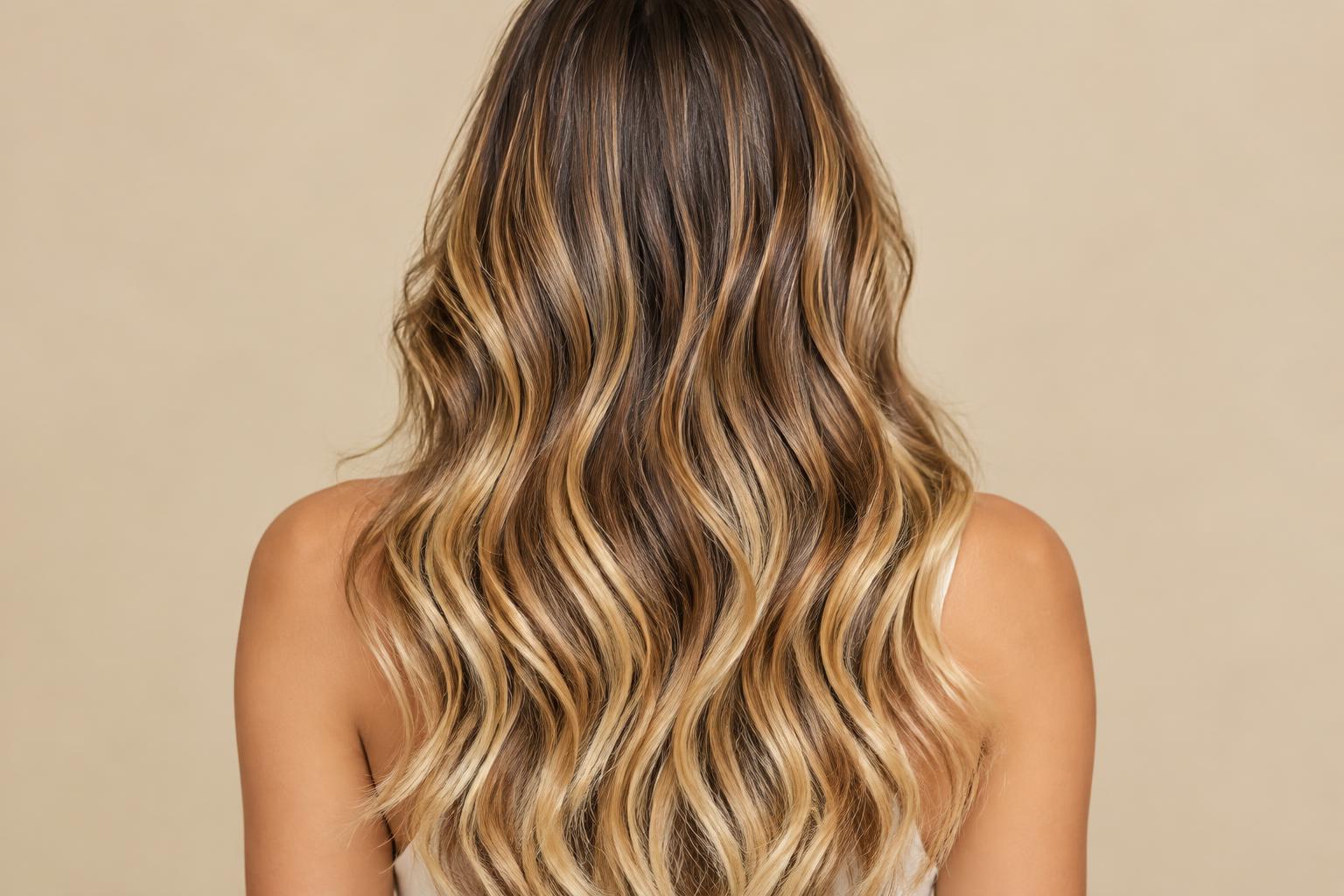
AI-generated hairstyle illustration; not a client result.
Some hair color changes a shade. Beautiful balayage changes the way light moves through your hair. Brazilian balayage is often associated with a particularly expressive version of that idea: rich depth near the roots, luminous ribbons through the lengths and brightness that brings the face into focus. The appeal is not simply going lighter. It is creating a balance of light and shadow that feels intentional, dimensional and distinctly yours.
What is Brazilian balayage?
Balayage is a highlighting technique whose name comes from the French word for sweeping. Traditionally, colorists paint lightener onto selected sections to build a graduated effect. Brazilian balayage is not a separate, universally standardized service. In professional color education, the name is often used for a Brazilian-inspired look with pronounced face-framing highlights, contoured placement and bright, blended dimension.
That distinction matters. There is no single Brazilian balayage formula, mandatory shade or application pattern. One interpretation might pair a deep brunette base with golden ribbons; another might create a softer blonde blend. The reference photo and consultation are more useful than the name alone when deciding what the finished color should look like.
The signature: brightness with depth
A defining feature of many Brazilian-inspired looks is the relationship between the brighter pieces and the darker hair left between them. Those deeper sections give the lighter ribbons something to stand against. Without that contrast, the overall effect can read as a more uniform blonde rather than layered dimension.
The face frame is another important part of the composition. Sometimes called a money piece, it can be bold and luminous or more delicate and diffused. Through the mid-lengths and ends, placement can draw attention to movement and the shape of the haircut. A soft transition at the root connects these brighter areas to the natural base without making every strand equally light.
How it differs from a softer balayage
A subtle balayage may keep the highlights close to the base color and scatter them gently throughout the hair. A Brazilian-inspired version often makes the face frame more noticeable and the contrast more expressive. Think of it as a different visual emphasis within dimensional color, not a strict divide between two unrelated techniques.
Nor does the name mean that the service must be entirely freehand or foil-free. Professional demonstrations of Brazilian balayage include different combinations of painting, foils and teased sections. The colorist chooses the application to suit the starting hair and desired result. What you see in the finished blend matters more than insisting on one tool or method.
Choosing your version of Brazilian balayage
On brunette hair, caramel, honey and golden-beige ribbons can create warmth and visible dimension while preserving a darker foundation. A more neutral finish offers a different mood. On a lighter base, the contrast and placement need their own balance. Brazilian balayage does not require everyone to become the same blonde, and warmth is a creative choice rather than a rule.
Your texture, density, haircut and usual part all influence how the placement reads. A brighter ribbon that looks striking in loose waves may sit differently when the hair is straight or tied back. Bring reference photos that show hair similar to yours, then identify exactly what you love: the light around the face, the darker root, the tone or the brightness at the ends.
A beautiful result starts with an honest consultation
Before lightening, discuss your full color history, including permanent dye used at home, previous highlights and smoothing services. Previously darkened hair may not reach the brightness in a reference photo in one appointment. Hair condition, existing pigment and the amount of contrast you want all shape what is realistic.
Condition assessment and, when appropriate, a strand test help guide the plan. Sometimes the better path is softer brightness now and a gradual change over later appointments. Lightening can stress the hair; no highlighting technique is automatically damage-free. Preserving the hair's integrity should be part of the conversation, not an afterthought to achieving the lightest possible shade.
From placement to the final tone
The service is built around where brightness will have the greatest impact. The colorist selects sections, considers the root transition and develops lighter pieces through the hair while retaining enough depth for contrast. The application and processing are tailored to the hair rather than repeated as a fixed recipe.
After lightening, a toner or gloss may be used to refine warmth and bring the lighter pieces into the intended color palette. Lightness and tone are different decisions: two heads of hair lifted to a similar level can look quite different once one is finished golden and the other more neutral. The final style then reveals how the placement works with your haircut and natural movement.
Keeping Brazilian balayage luminous
A blended root can make regrowth look softer, but low-maintenance does not mean no maintenance. A bold face frame, a cooler tone or a larger contrast with the base may need a different refresh plan than a subtle golden blend. Your next appointment might focus on tone rather than repeating a full lightening service. There is no universal timeline that fits every Brazilian balayage.
At home, use cleansing and conditioning products suited to color-treated hair and your texture, and follow heat-protection directions before styling. Ask which toning product, if any, suits your shade instead of automatically reaching for purple shampoo. Beach and pool days also deserve thoughtful care: rinse after swimming and use a hat for physical sun protection. These habits support the finish without replacing an individual salon maintenance plan.
Color, not a straightening treatment
Despite the shared word Brazilian, Brazilian balayage is not a Brazilian keratin treatment or a Brazilian Blowout. It describes a highlighting look, not a smoothing or straightening service. It does not change your natural curl pattern by design, and it should not be presented as a repair treatment.
If you want both dimensional color and a smoothing service, mention that during your consultation so the stylist can consider your chemical history and the appropriate plan. For Brazilian balayage itself, the goal remains beautifully placed light: a considered face frame, balanced contrast and color that complements the way you actually wear your hair.
The takeaway
Brazilian balayage is not one shade or one formula. Its beauty lies in the balance: a softly connected root, luminous dimension and brightness placed with purpose. At Simone Maryah Hair Studio in Hermosa Beach, start with a personal consultation to explore the version that suits your hair and your everyday life.