Cuts · August 2026
Choosing the Right Bob for Your Face and Texture
Length, weight and movement matter more than a haircut label. Find a bob that works with your natural texture.
Simone Maryah Hair Studio
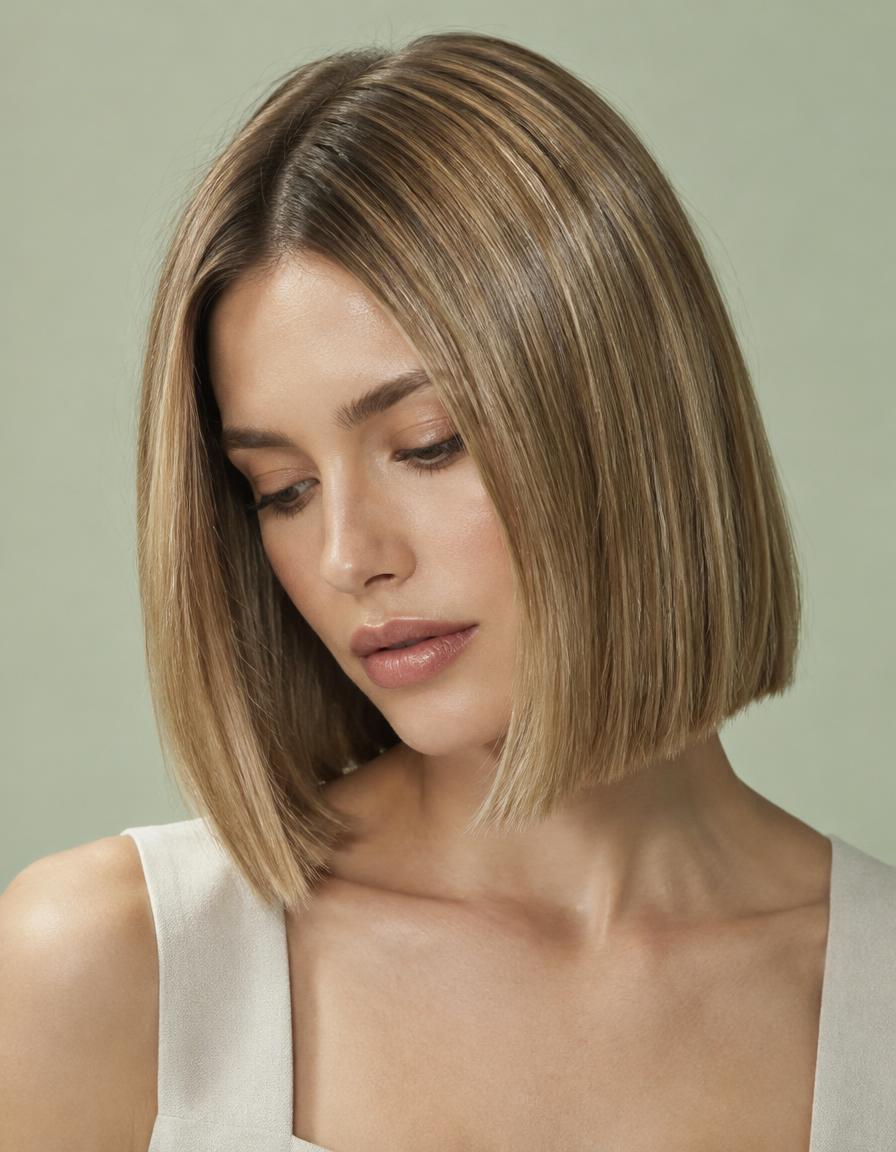
A bob can be sleek and graphic, soft and airy, or full of natural movement. The difference often comes down to a few thoughtful decisions: where the length lands, how weight is distributed and how your texture behaves without a salon blowout. The right bob is not a rigid rule about face shape—it is a cut you enjoy wearing in real life.
Choose where the length lands
A chin-length bob draws attention to the jaw and feels distinctly short. A longer bob near the collarbone offers more flexibility and may leave enough length for tying the hair back. Even a small change in length can affect whether the ends sit smoothly or turn outward where they meet the shoulders.
Consider your profile, neckline and preferred part as well as your face shape. If you wear your hair tucked behind your ears, tell your stylist: the cut should still feel balanced in that position.
Let your texture guide the shape
Fine hair can benefit from a defined perimeter that preserves the appearance of fullness. Too much layering may make the ends look sparse. Thick hair may need thoughtful weight removal, but removing too much in the wrong areas can create unwanted volume or frizz.
Wavy and curly hair need room for their natural pattern. Shrinkage affects the finished length, so discuss how you wear your hair most often before deciding where to cut. A bob that looks effortless when straightened may behave very differently when air-dried.
Decide between a blunt edge and softer movement
A blunt outline gives a clean, defined silhouette. Subtle layers can add movement and make the shape feel less structured. Neither option is automatically easier to maintain: the best choice depends on density, texture and the finish you want.
Bangs or face-framing pieces can change the entire character of a bob. Consider whether you are comfortable styling them separately and returning for touch-ups. If you are uncertain, longer face-framing pieces offer a gentler starting point than a short fringe.
Be honest about your daily routine
Tell your stylist how much time you want to spend getting ready, whether you use hot tools and whether you need to tie your hair back. Bring inspiration showing both polished and more natural finishes so the consultation covers more than one carefully styled photo.
Shorter, precise shapes can show growth sooner than longer cuts. Plan trims around how quickly your hair grows and how crisp you want the outline to stay. At home, begin with a small amount of a texture-appropriate styling product, and ask for a finishing routine you can realistically repeat.
The takeaway
The most flattering bob works with your texture and habits. Start with the way you want your hair to feel, then tailor the shape.